Forget the postcards. The Douro Valley isn't what you think it is.
Sure, there are terraced vineyards and port wine. But that's like saying Paris has a tower. You're missing the actual story.
This is a place where 70-year-old farmers still harvest grapes by hand on slopes so steep they tie themselves to posts. Where the river floods every few decades and everyone just rebuilds. Where families have worked the same plot of land since before America existed.
The valley doesn't care if you're impressed. It's been here doing its thing for centuries, and it'll be here long after your Instagram post gets buried.
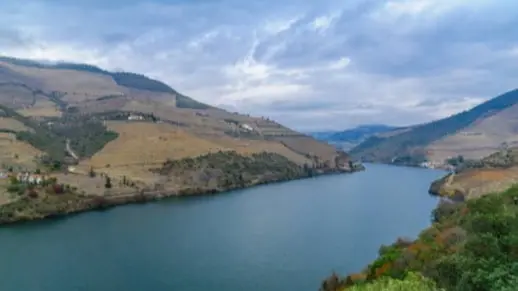
The Douro River cuts through schist rock for about 200 kilometers from the Spanish border to Porto. That schist is everything - it holds heat during the day, releases it at night, drains perfectly so vines don't drown.
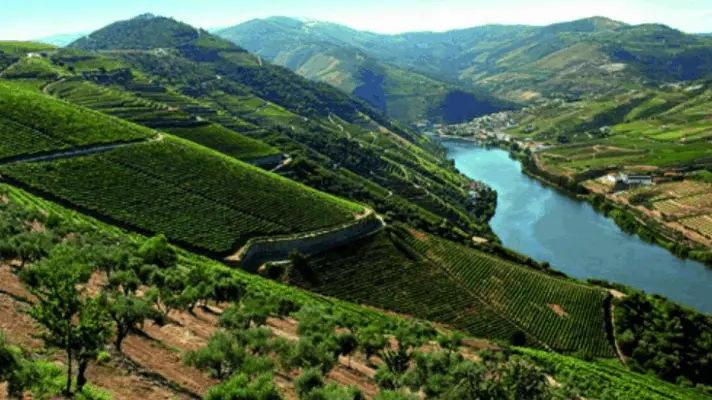
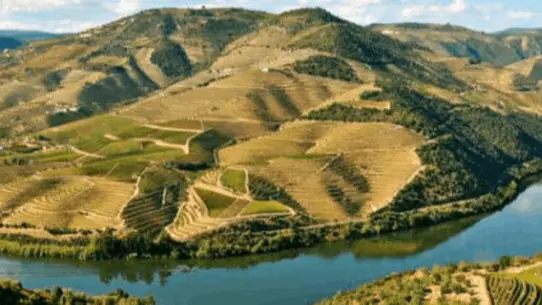
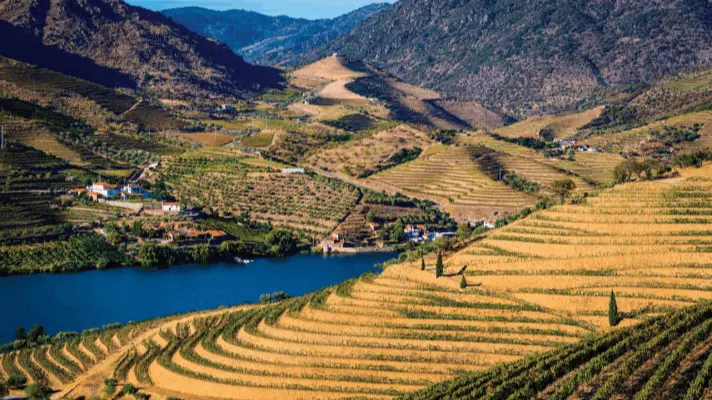
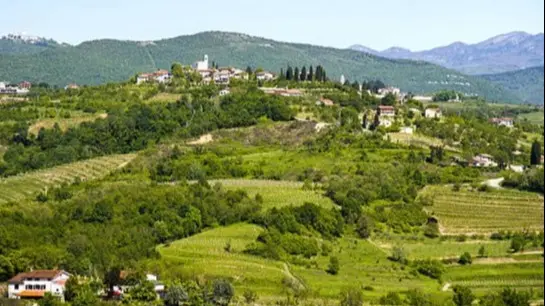
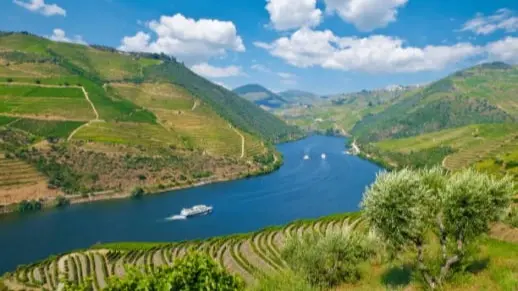
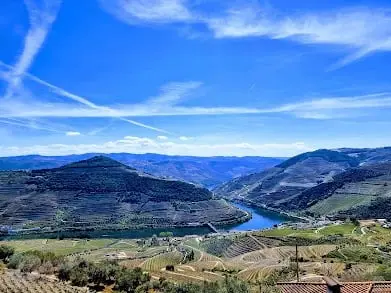
Those terraces you see? They're not natural. Generations of workers built them by hand, stacking schist stones without mortar, creating microclimates on every level. Some terraces are 6 meters high. One wrong step during harvest and you're tumbling down a hillside.
The valley runs east-west, so one side gets morning sun, the other gets afternoon light. Winemakers know which slopes produce what. North-facing terraces make lighter wines. South-facing ones get the full blast and produce the intense stuff that becomes vintage port.
This isn't farming, it's engineering that happens to involve grapes.
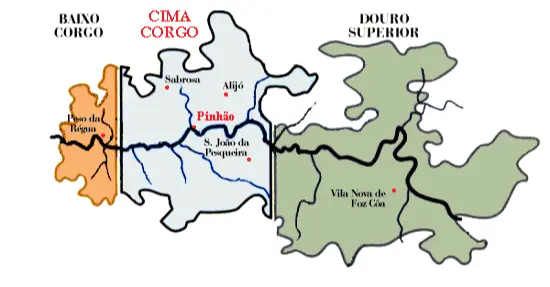
Gets more rain, gentler slopes, produces lighter wines that most tourists never taste because everyone's obsessed with port. This is where table wines come from - whites that pair with seafood, reds that don't knock you over.
Less dramatic than the upper valley but also less crowded. Villages here feel more lived-in, less performed for tourists.
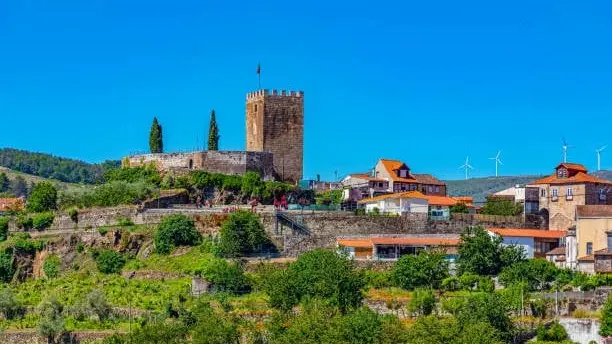
The money shot. Pinhão sits right in the middle. Steepest slopes, most intense sun, the grapes that become premium port. This is what you see in photos - terraces stacked impossibly high, quintas perched on cliffs, the river snaking through it all.
Also the most touristy, which... yeah. Trade-offs.
Hotter, drier, more extreme. Fewer tourists because it's further from Porto and the roads get sketchy. Some winemakers out here are doing wild experiments because they're far enough from the traditional zones to take risks.
Fine. But the valley makes other stuff that's honestly more interesting for daily drinking.
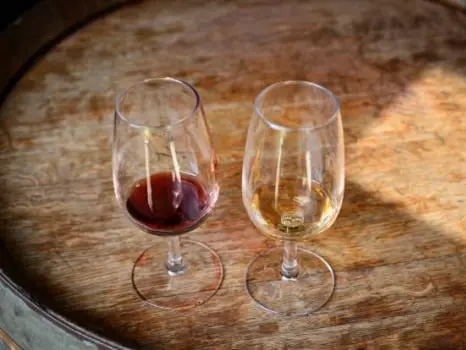
Port's great. But if that's all you taste, you're missing the point.
Reds from Touriga Nacional, Touriga Franca, Tinta Roriz. Big, structured, age-worthy. Whites from Rabigato, Viosinho, Gouveio that are crisp and mineral. These don't get exported much because locals drink them.
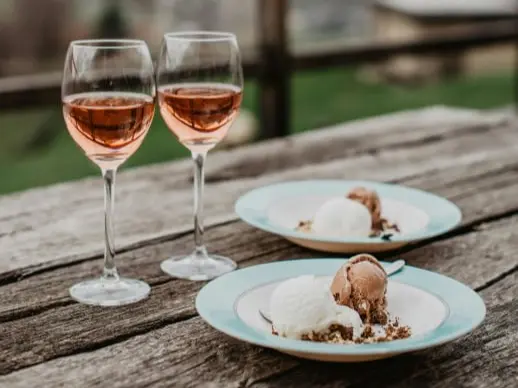
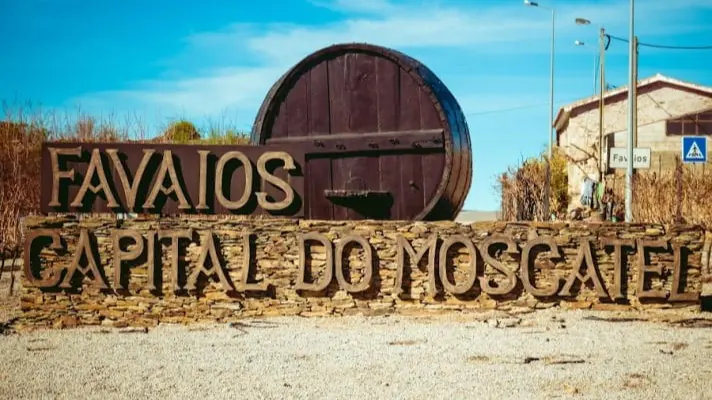
Sweet wine from Favaios that tastes like honey and apricots. Locals drink it as dessert. Tourists ignore it. Their loss.
Young winemakers are making natural wines, orange wines, pet-nats. Small production, hard to find, but if you're into that scene, ask around.
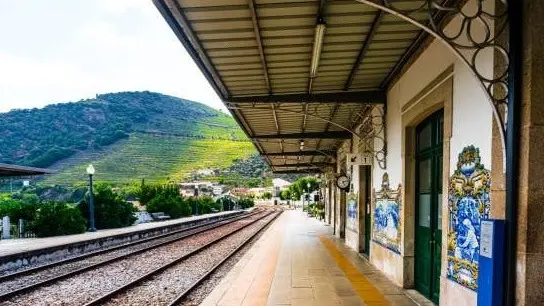
Yeah, it's touristy. It's also genuinely beautiful and centrally located. The train station tiles are worth five minutes. The riverside walk is nice early morning before buses arrive. Stay overnight and you'll see why people live here - once the day-trippers leave, it's actually peaceful.
Reds from Touriga Nacional, Touriga Franca, Tinta Roriz. Big, structured, age-worthy. Whites from Rabigato, Viosinho, Gouveio that are crisp and mineral. These don't get exported much because locals drink them.
Moscatel capital, traditional bread baked in wood ovens, zero pretension. Locals will talk to you if you're not in a rush. The bakery situation here is serious - people drive from other towns for the bread.
Young winemakers are making natural wines, orange wines, pet-nats. Small production, hard to find, but if you're into that scene, ask around.
(Skip It) It's fine. It's also basically a transit hub with a museum. Unless you're catching a train or boat, there's no reason to linger. The surrounding areas are better.
Hike the Terraces. Trails wind through working vineyards. You're walking on paths farmers use daily. Some routes are marked, most aren't. Get lost, find your way back, repeat. Bring water because villages are spread out.
Swim in the River. Locals know the spots - river beaches away from boat traffic where the water's clean and cold. Not advertised, not on maps, you have to ask.
Drive the N222. Called one of the world's best drives, which is marketing speak for "terrifying and beautiful." Narrow, winding, incredible views, locals who drive it like a racetrack. Do it once, then take the train or boat for the rest of your trip.
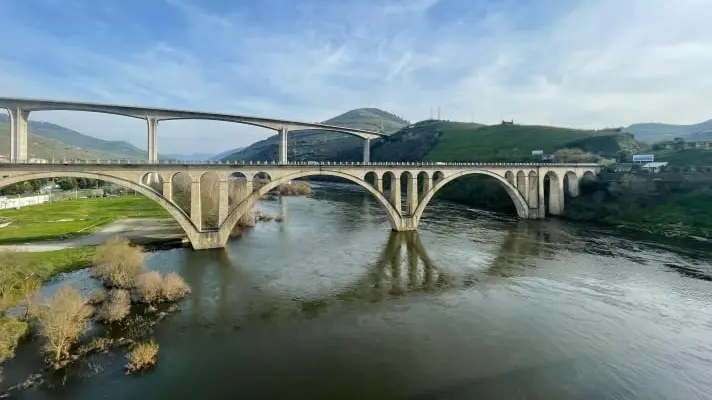
Take the Train. The Linha do Douro from Porto to Pocinho runs along the river. Slow, cheap, stunning. Locals use it for commuting, tourists use it for photos. Everyone wins.
Eat at Non-Tourist Places. Ask locals where they eat. Small cafes in villages, family restaurants that don't advertise, places where the menu is whatever they cooked that day. This is where you find real Douro food - cozido, rojões, bacalhau done properly.
Visit Small Quintas. The famous ones are fine but crowded. Small family operations give you unreleased wines, personal tours, stories about the 1960s when everything was different. You can't book these online, you have to show up or know someone.
Vines are bright green, wildflowers everywhere, weather's perfect. Fewer tourists than summer. Some quintas are still closed from winter but most are open.
Hot. Like, 35-40°C hot. The river's there if you need it. Peak tourist season, which means crowds at viewpoints and higher prices. Early mornings and late evenings are tolerable.
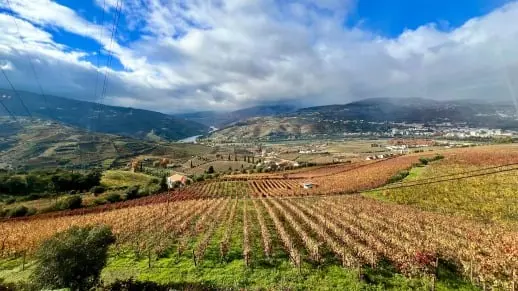
Harvest season. The valley smells like fermenting grapes. Colors are insane - reds, oranges, yellows. Everyone's busy working, which means some places are harder to visit but the energy is different. Best time if you want to see the valley actually functioning.
Quiet. Cold. Some places closed. Shorter days mean less time for exploring. But if you want the valley to yourself and don't mind limited options, this works. Bring layers.
Getting Around. Rent a car or book tours. Public buses exist but run on schedules that make no sense. Trains are great for the main route but don't reach most villages. Taxis are expensive and scarce.
Where to Stay. Pinhão for central location. Smaller villages for quiet. Porto and day-trip if you're on a budget (but you'll miss sunset and sunrise, which are the best parts).
Quintas offer accommodations - some are luxury, some are basic rooms in working farms. The latter are more interesting.
Money Cards work in towns, cash rules in villages. ATMs exist but not everywhere. Restaurants in tiny places might be cash-only.
Language. English works in tourist areas. Portuguese helps everywhere else. Locals appreciate effort even if your accent's terrible.
Cell Service. Spotty in valleys and remote areas. Download maps offline. Don't rely on GPS for everything.
It's not Tuscany. It's not Napa. It's not trying to be anything except itself.
The valley's still a working landscape. People live here, farm here, make wine here because their families have done it for generations. Tourism is recent - like, last 20 years recent. Before that it was just farmers and river traffic.
That means it's not polished. Roads are narrow. Signs are unclear. Some of the best spots require local knowledge. You can't Google your way through the Douro, you have to actually engage with it.
Which is either frustrating or refreshing depending on what you want from travel.
Douro changes how you think about wine, farming, and what it means to stay in one place for centuries.
These families didn't choose the easiest land. They chose the best land for grapes, which happened to be impossibly steep hillsides that require backbreaking work. And they've been doing it for so long that the terraces are UNESCO-protected cultural landscapes.
That level of commitment to place is rare. Most of the world moves around, chases opportunities, optimizes for efficiency. The Douro says no, we're staying right here, doing this one thing, doing it right.
You taste that in the wine. You see it in the terraces. You feel it when you talk to someone whose family's been on the same quinta for eight generations.
That's what you're actually visiting. Not scenery, not wine tourism, but a living example of what happens when people commit to a place completely.
🍇Douro Valley Tours🍇